
Resentment can feel like protection. When someone hurts you, holding onto that pain might seem like a way to stay strong, to stay in control. But what if holding onto that pain is what’s actually draining your energy and blocking your peace?
Science confirms what many of us already feel deep down: resentment takes a toll on your body, mind, and spirit. In this article, you’ll learn how resentment shows up, what it does to your health, and most importantly—how to let it go so you can feel free again.
What Is Resentment?
Resentment is a persistent feeling of bitterness or anger after being wronged. It’s a mix of hurt, betrayal, and frustration that lingers long after the event has passed.
Unlike anger, which tends to be sharp and immediate, resentment builds slowly over time and often hides beneath the surface. It can be triggered by unspoken expectations, unresolved conflict, or feeling unseen or misunderstood.
The Cost of Holding Onto Resentment
🧠 Cognitive and Emotional Toll
Resentment activates the amygdala, the brain’s fear and threat center. This keeps you in a loop of rumination—replaying past events and rehearsing emotional pain. Over time, it impairs:
- Emotional regulation
- Decision-making
- Mental clarity
When your brain is stuck in the past, it can’t fully live in the present.
❤️ Physical Toll
Chronic resentment keeps the stress hormone cortisol elevated. This stress state has been linked to:
- High blood pressure
- Sleep disturbances
- Weakened immunity
- Increased inflammation
A study in the Journal of Behavioral Medicine found that individuals with higher levels of resentment exhibited greater cardiovascular stress, increasing their risk of heart-related illnesses.
Harvard Health notes that unresolved anger and resentment are correlated with a higher risk of stroke and heart disease.
🧘 Spiritual and Energetic Toll
Resentment weighs heavily on your spirit. It disconnects you from joy, gratitude, and presence. You may find yourself emotionally numb, cynical, or closed off in relationships—not because you want to be, but because you’re still protecting the wound.
Signs You’re Still Carrying Resentment
Resentment isn’t always loud. Sometimes it whispers in the background. Common signs include:
- Replaying past conversations or arguments
- Feeling tension when you hear someone’s name
- Fantasizing about justice or revenge
- Feeling emotionally heavy or burned out
- Avoiding conflict but feeling angry inside
- Difficulty trusting others
Tip: Notice your body. Tight jaw, clenched fists, or shallow breathing are common signals of unresolved emotional tension.
Why Is It So Hard to Let Go?
Resentment can feel like control. You may think, “If I stay angry, I won’t be hurt again.” But neuroscience shows the opposite is true.
According to Dr. Caroline Leaf, a cognitive neuroscientist, unresolved emotional loops like resentment reinforce pain-based neural pathways, making you more reactive, anxious, and disconnected.
Letting go isn’t weakness—it’s rewiring your brain to choose peace over pain.
How to Let Go of Resentment (Rituals and Techniques That Work)
Letting go is not about pretending nothing happened. It’s about choosing your freedom over your wound. The following rituals are backed by science and designed to release resentment gently.
1. Acknowledge and Express It (Journaling or Speaking)
Repressed emotions stay stuck. Write out your experience fully:
- What happened?
- What are you still feeling?
- What do you wish they had understood or said?
Giving voice to your pain honors it—and begins the release.
2. Activate Your Vagus Nerve
The vagus nerve calms the body and supports emotional regulation. You can activate it with:
- Slow belly breathing (4-6 seconds in/out)
- Humming or chanting softly
- Hand-over-heart breathing
This shifts your nervous system from fight-or-flight to rest-and-heal.
3. Forgiveness Letter (Unsent)
Write a letter to the person or situation that hurt you. Let everything out—your anger, disappointment, heartbreak. Then, end the letter with:
“I choose to release this pain now, not because you deserve forgiveness, but because I deserve peace.”
Burn, bury, or tear the letter—symbolizing emotional release.
4. Visualization Practice
Close your eyes. Picture resentment as a heavy stone you’re carrying. Imagine placing it gently down beside a flowing stream and watching it float away. This simple act rewires the brain through imagery and intention.
5. Affirm to Rewire
Use present-tense affirmations to build new emotional pathways:
- “I free myself from what no longer serves me.”
- “I choose peace over pain.”
- “I am no longer available for emotional burdens.”
Repeat these often. Neuroscience shows that repetition builds new neural habits.
Frequently Asked Questions
1. Isn’t holding onto resentment a form of self-protection?
It may feel protective, but over time, it does more harm than good. Releasing it helps you regain clarity and reclaim your power.
2. Can resentment cause physical health problems?
Yes. Chronic resentment raises cortisol and inflammation, which are linked to serious health issues like heart disease, stroke, and immune dysfunction.
3. What if the person who hurt me never apologized?
Forgiveness doesn’t require an apology. Letting go is something you do for yourself—not for them.
4. Is it okay if I still feel hurt after letting go?
Absolutely. Letting go doesn’t erase the memory. It just means the memory no longer controls your present.
5. How long does it take to truly release resentment?
It’s different for everyone. But each small step—every journal entry, every breath, every affirmation—brings you closer to emotional freedom.
You Deserve Peace
Resentment is exhausting. It lives in your body, loops in your mind, and keeps your spirit anchored to the past. But you don’t have to carry it anymore.
By practicing intentional release, you make space for:
- Clarity
- Energy
- Connection
- Peace
Letting go isn’t giving in. It’s choosing yourself. Choosing healing. Choosing freedom.
🌿 Call to Action
Download Your Free Forgiveness Journal Page
A printable resource to help you reflect, release, and move forward:
👉 ZenfulHabits.com/ForgivenessJournalPage
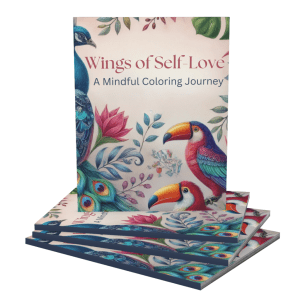
Explore Our Forgiveness Coloring Book
Find calm through creativity. Support your healing journey one page at a time.
👉 Shop Now on Amazon



Leave a Reply