
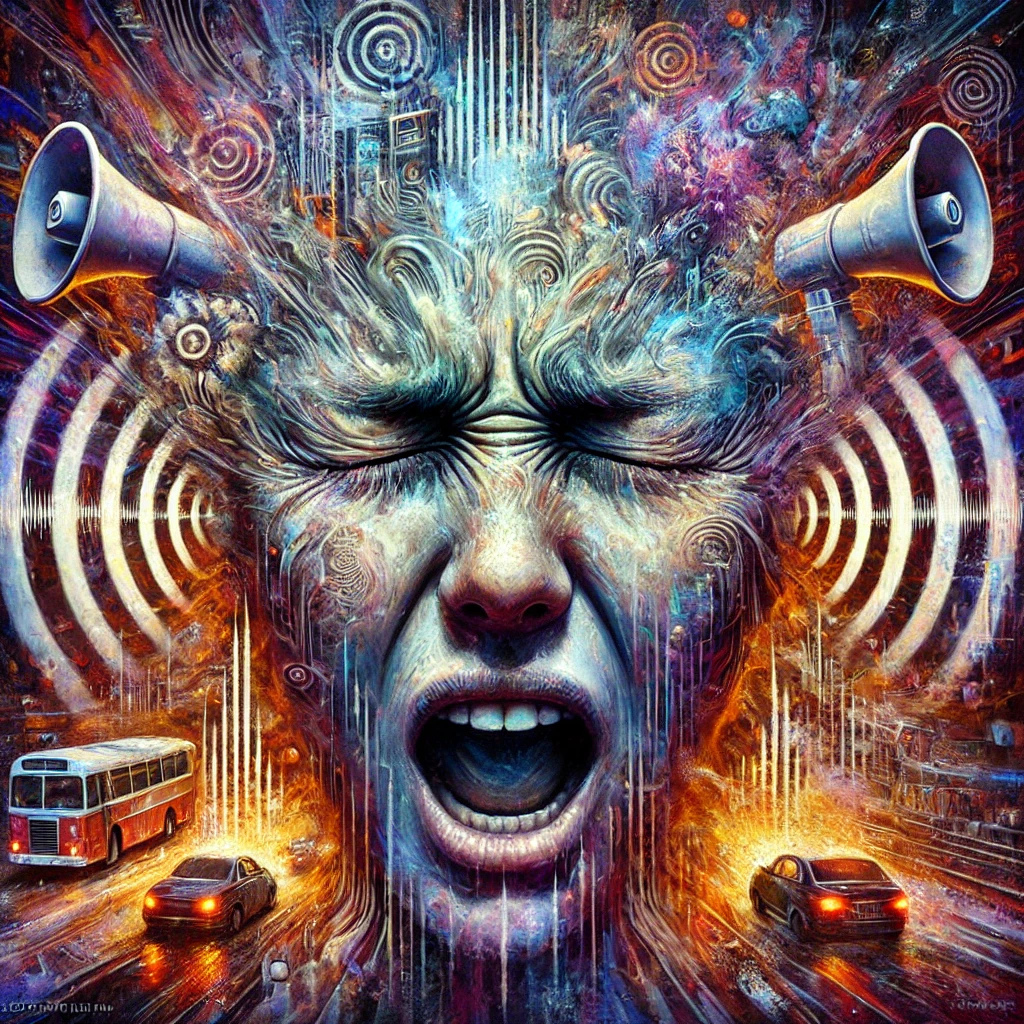
Have you ever noticed your shoulders tensing up when the neighbor’s dog won’t stop barking, or how hard it is to concentrate with traffic blaring outside? You’re not imagining things. Research shows that excessive noise can directly contribute to anxiety—and in today’s world, noise is everywhere.
In this article, we’ll explore how noise affects your mental health, the science behind noise-induced anxiety, and practical strategies to reduce it. Plus, we’ll answer common questions and leave you with tools to take control of your environment—and your peace of mind.
| Science | Research | Science-Backed Ways to Reduce Stress |
|---|---|---|
| Chronic noise exposure activates the hypothalamic-pituitary-adrenal (HPA) axis, leading to elevated stress hormone levels, neuroinflammation, and oxidative stress in the brain, which can cause anxiety-like behaviors. | A meta-analysis found that road traffic noise exposure increases the odds of anxiety by 12% per 10 dB increase (OR 1.12, 95% CI 1.04–1.30)1. Studies in mice exposed to chronic noise showed overstimulation of the amygdala and anxiety-like behaviors3. | Soundproofing Materials: Installing soundproofing materials reduces noise levels and fosters a calmer environment6. |
| Noise disrupts sleep patterns through microarousals, impairing cognitive function and increasing vulnerability to anxiety and depression. | WHO research links prolonged noise exposure to sleep disturbances, elevated stress levels, and mood disorders2. A study in rats showed that chronic noise exposure impaired spatial memory and increased stress hormone levels15. | White Noise Devices: White noise can mask disruptive sounds, improve sleep quality, and promote relaxation6. |
| Noise annoyance triggers emotional stress responses such as anger or helplessness, which can escalate into chronic stress and anxiety. | Highly noise-annoyed individuals have a 55% higher risk of anxiety (N = 6 studies)4. Surveys show 89% of respondents report negative mental health impacts from noise pollution6. | Noise-Cancelling Headphones: These help reduce ambient noise, improving focus and reducing stress in noisy environments6. |
| Chronic exposure to moderate noise levels (<85 dB) can sensitize individuals to future acute noise exposures, amplifying anxiety responses. | Mice exposed to chronic moderate white noise (85 dB) exhibited increased sensitivity to later acute noise exposures and persistent anxiety-like behaviors3. | Green Spaces: Spending time in quiet natural environments reduces stress and improves mental well-being26. |
| Noise-induced dysregulation of circadian rhythms affects emotional regulation and coping capacity. | Studies suggest that chronic nighttime aircraft noise can trigger takotsubo cardiomyopathy (stress-induced heart condition)1. Noise also impairs adaptive coping mechanisms like sleep hygiene5. | Noise Barriers: Building barriers around homes in noisy areas minimizes external sound intrusion6 |
How Does Noise Cause Anxiety?
Noise isn’t just a nuisance—it’s a health hazard. According to a meta-analysis, people who report high levels of noise annoyance have a 55% greater risk of developing anxiety.
But why?
1. Activates the Stress Response
Noise acts like a silent trigger to your nervous system. Chronic exposure stimulates the amygdala, your brain’s fear center, and keeps your cortisol levels elevated. This constant fight-or-flight state wears down your resilience and raises anxiety risk.
2. Disrupts Sleep
Even low levels of noise at night can interfere with deep sleep, which your body needs for emotional regulation. Without proper rest, anxiety builds.
3. Impairs Focus and Overloads Your Brain
Your brain is constantly processing background noise—even if you’re not consciously aware of it. This leads to mental fatigue, poor concentration, and ultimately, stress and irritability.
Who’s Most Affected by Noise?
– Children and Teens
Children exposed to frequent noise (like schools near airports or highways) show higher cortisol levels and difficulty with attention and emotional control.
– Urban Dwellers
City residents deal with constant traffic, construction, sirens, and neighbor noise—putting them at increased risk for anxiety and even heart issues.
Benefits of Reducing Noise Exposure
Lowering your noise exposure—even by a little—can have a big impact on your mental and physical health.
✅ Improves Sleep Quality
A quieter sleep environment helps restore the nervous system, improving your emotional resilience.
✅ Reduces Stress and Anxiety
People who actively reduce noise (using earplugs, noise-cancelling devices, or environmental design) experience lower anxiety levels and better concentration.
✅ Enhances Cognitive Performance
Students and professionals in quieter environments show better memory recall, faster task completion, and less frustration.
Practical Noise Reduction Tips
- Invest in noise-cancelling headphones for work or transit.
- Add rugs, curtains, or bookshelves to help absorb indoor noise.
- Use white noise machines or calming soundscapes for sleep.
- Consider double-pane windows or door seals to block outdoor noise.
- Advocate for urban green spaces—plants naturally buffer sound.
❓Frequently Asked Questions
1. Can noise really cause long-term anxiety?
Yes. Ongoing exposure to loud or persistent noise activates your stress response, which over time, can lead to generalized anxiety.
2. What’s the ideal noise level for mental well-being?
Experts suggest keeping background noise below 35 decibels during the day and below 30 decibels at night for optimal health.
3. Do noise-cancelling headphones actually work?
Yes, they’re highly effective for blocking ambient noise and helping reduce anxiety in noisy environments (Your Way Kia Roha).
4. Is city life always worse for mental health?
Not always—but urban noise without mitigation can significantly affect anxiety levels. Green spaces and mindful design help.
5. Are children more vulnerable to noise?
Yes. Their developing brains are more sensitive to auditory stress, which can impact learning and emotional regulation (PMC).
Final Thoughts: Take Back Control of Your Sound Space
The sounds around you aren’t just background noise—they shape how your brain and body respond to the world. By reducing unnecessary noise, you’re not just creating a calmer environment—you’re protecting your mental health.
Start small today: Invest in tools that quiet your space, take breaks in silence, and notice how your body responds.
✨ Share this article with a friend who could use some peace—and let’s raise awareness about the impact of noise on well-being.
Additional articles on ways to reduce anxiety:
- Breathwork for Anxiety: Science-Backed Techniques to Reduce Stress and Boost Calm
- Stoic Practices for Inner Peace: Scientifically Proven Ways to Stay Calm in Chaos
- How Coloring Books Calm the Mind: Science-Backed Benefits for Stress and Mental Health
- How Gratitude Practices Reduce Anxiety: Science, Research, and Benefits
- How Forgiveness Heals Anxiety: The Science, Benefits, and Steps to Let Go