
In a busy, fast-paced world, it’s easy to feel overwhelmed, scattered, or emotionally drained. That’s where multisensory mindfulness can help—a calming, science-backed way to feel grounded, present, and emotionally strong by using your five senses.
When you engage sight, sound, smell, and touch during mindfulness practices like coloring, your brain gets powerful signals to slow down and feel safe. This article explores the research behind this approach, shows you how to apply it, and explains why it’s so effective at calming the nervous system and promoting emotional resilience.
🌿 What Is Multisensory Mindfulness?
Multisensory mindfulness means intentionally engaging more than one sense—like listening to calming sounds while coloring, or diffusing lavender oil during deep breathing. It anchors your attention in the present moment, making it easier to manage stress, reduce anxiety, and stay emotionally balanced.
🧠 Your senses are directly wired to your brain’s emotion center (the limbic system), which is why this method works so well.
🧬 Why Sensory Mindfulness Works: The Brain-Body Connection
The human brain is designed to respond to sensory input. When you’re stressed, your body triggers the “fight or flight” response. But mindful sensory experiences help flip that switch to “rest and digest,” the parasympathetic state where healing, thinking, and emotional balance occur.
🔍 Science-Backed Benefits:
- Reduces stress hormones (cortisol)
→ Coloring has been linked to lower anxiety and improved mood
Activates the vagus nerve
→ Calming sounds, scent, and breathwork help regulate heart rate and emotions
Improves focus and attention span
→ Multisensory integration increases brain plasticity and attention
💡 The more senses you activate, the stronger the calming effect becomes.
🖍️ Using Aromatherapy While Coloring
Adding scent to your coloring routine can elevate it from a simple hobby to a healing ritual.
🌸 How Aromatherapy Affects the Brain:
Smells are processed by the olfactory bulb, which sends signals directly to the amygdala and hippocampus—parts of the brain tied to emotion and memory.
🌼 Recommended Scents:
- Lavender: Reduces anxiety and promotes calm
Citrus (orange or lemon): Boosts mood and decreases stress - Peppermint: Improves focus and energy
✨ How to Use:
- Use a diffuser while you color
- Apply diluted oils to wrists or temples
- Light a scented candle with essential oils
When paired with the focused act of coloring, scent enhances your brain’s sense of safety and relaxation.
🔊 Sound + Touch = Nervous System Support
Mindful sensory rituals are most powerful when sound and touch are also involved.
🎧 Soundscapes That Soothe:
Listening to music or nature sounds during mindfulness practices helps lower heart rate, quiet mental chatter, and deepen presence.
- Nature sounds: Rainfall, ocean waves, birdsong
- Ambient music: Soft piano, chimes, or binaural beats
- Healing frequencies: 432 Hz, 528 Hz, and theta waves
(Annerstedt & Jönsson, 2011)
✋ Textures That Calm:
- Use smooth coloring pencils or markers
- Sit with a weighted blanket or soft pillow
- Run your fingers gently along textured surfaces like fabric or page edges
🖐️ Touch activates sensory receptors that signal calm to your brain, especially when combined with rhythmic movement like coloring.
🧘♀️ Creating Your Multisensory Mindfulness Ritual
Instead of rushing through mindfulness exercises, turn them into rituals that train your brain to feel grounded.
🕯️ Simple Ritual Example:
1. Set the Scene
Choose a quiet space with natural light or soft lamps.
2. Engage the Senses
- Diffuse lavender or citrus oil
- Play a calming playlist or nature track
- Wrap up in a soft throw or wear cozy socks
- Prepare your coloring page, pencils, or markers
3. Use an Intention or Affirmation
“In this moment, I am grounded, steady, and safe.”
4. Begin Coloring Mindfully
- Notice your breath and your movements
- Let the colors guide your focus
- Pause when needed, and return with presence
Doing this consistently rewires your brain to associate these rituals with emotional safety and self-regulation.
❓ Frequently Asked Questions
1. What makes multisensory mindfulness different from regular mindfulness?
Multisensory mindfulness involves using multiple senses—like touch, sound, and smell—at the same time. This makes it easier to stay present and calm your nervous system.
2. How long do I need to practice for it to work?
Even 5–10 minutes of focused sensory practice a day can reduce stress and boost mood. The key is consistency, not duration.
3. Can kids or teens benefit from this too?
Yes! Sensory mindfulness is excellent for all ages, especially children with anxiety, ADHD, or sensory processing challenges. Just adapt the tools to their comfort.
4. What’s the best way to start if I feel overwhelmed?
Start with one sense. For example, light a scented candle and do 5 minutes of deep breathing. Then add music or touch over time.
5. Can I practice this at work or on the go?
Yes! Use portable tools: earbuds for calming music, a scented rollerball, or a small coloring pad. You can create sensory anchors anywhere.
✅ Final Thoughts + Call to Action
Multisensory mindfulness is more than a relaxing hobby—it’s a healing ritual backed by neuroscience. By intentionally engaging your senses, you create a pathway back to calm, no matter what life throws at you.
🎨 Try this today:
Set up a mindful space with your favorite coloring page, play soft music, light a candle, and repeat this affirmation:
“My senses are safe anchors. I return to this moment with ease.”
🖍️ Looking for tools to support your ritual?
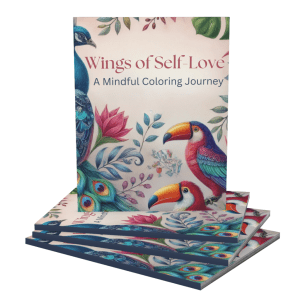
Explore ZenfulHabits Coloring Books —a blend of affirmations, detailed designs, and emotional grounding tools.
Continue your journey with more powerful reads from our collection:
- The Art of Acceptance: Embracing People Where They Are
- How to Love Unconditionally Without Sacrificing Your Own Needs
- Love Without Judgment: Insights from A Course in Miracles
- Breathwork for Self-Compassion: A Mindful Practice for Loving Yourself and Others
- How Practicing Gratitude Deepens Your Ability to Love and Accept



Leave a Reply