
A science-backed guide to soothing stress through creativity and connection
Feeling anxious, wired, or emotionally drained?
You’re not alone.
In today’s fast-paced world, our nervous systems are constantly triggered—by noise, screens, stress, and emotional overload. But what if calming your anxiety was as simple as picking up a colored pencil?
Welcome to the science of mindful coloring—a simple yet powerful tool to shift your nervous system from chaos to calm.
This article explores how coloring and affirmations activate your body’s natural healing system, calm the fight-or-flight response, and support emotional resilience.
Understanding Your Nervous System
Our autonomic nervous system controls involuntary functions like heart rate, digestion, and stress response. It has two main branches:
1. Sympathetic Nervous System: Fight-or-Flight
When you’re stressed, this system kicks in. Heart rate increases. Breathing becomes rapid. Muscles tense. It’s survival mode—and staying here too long leads to anxiety, poor sleep, and emotional exhaustion.
2. Parasympathetic Nervous System: Rest-and-Digest
This system calms the body. It slows your heartbeat, supports digestion, and signals safety. This is where healing, emotional regulation, and clarity live.
🖍️ Mindful coloring helps stimulate the parasympathetic system, shifting your body from a state of survival to a state of peace.
How Coloring Soothes the Vagus Nerve
The vagus nerve is the main communicator of the parasympathetic nervous system. It sends signals from the brain to the body and back, helping regulate your heart, breathing, digestion, and even your mood.
Why It Matters:
When your vagus nerve is activated, your nervous system downshifts, and stress signals slow down.
Coloring and Vagal Tone:
Research shows that rhythmic, creative activities like coloring enhance vagal tone, which improves your ability to regulate stress and return to calm after emotional triggers.
📖 What the Science Says:
- A 2016 study found that 45 minutes of creative activity, including coloring, significantly reduced cortisol, the body’s main stress hormone.
Kaimal et al., 2016 – Art Therapy Journal - A 2020 Frontiers in Psychology review showed that vagal stimulation through slow, focused activities (like breathwork and coloring) supports emotional resilience.
Kok & Fredrickson, 2010
Emotional Regulation Through Coloring
When emotions run high, your prefrontal cortex—the thinking brain—goes offline. You may feel flooded, overwhelmed, or numb. Coloring provides a grounding, nonverbal outlet for those emotions.
Benefits of Mindful Coloring:
- ✨ Slows anxious thoughts
- 💛 Creates a safe space for emotions
- 🧠 Rebuilds connection to your calm center
- 🔁 Rewires thought patterns through repetition and color
Pairing With Affirmations:
Adding affirmations like “I am grounded and safe” while coloring strengthens neural pathways associated with peace and self-worth.
Coloring is not just play—it’s how the nervous system finds peace.
Daily Practice Tips for Calm
You don’t need hours or artistic skill to experience the benefits. Here’s how to build coloring into your wellness routine:
🕒 1. Start Small: 10 Minutes
Set a timer and color slowly with intention. Let the process—not the result—be your goal.
🌬️ 2. Add Breathwork
Inhale for 4 counts, exhale for 6 as you color. This boosts vagus nerve activity.
💬 3. Use Calming Affirmations
Say or write affirmations while coloring. Try:
- “Each breath brings me calm.”
- “I allow myself to relax.”
- “I choose peace.”
🌿 4. Create a Sacred Space
Light a candle, play soft instrumental music, or sit by a window. Set the mood for nervous system safety.
🎨 5. Color Your Emotions
Pick colors that match how you feel—no overthinking. Let your nervous system speak in shades.
Frequently Asked Questions
1. Can coloring really reduce anxiety?
Yes. Studies confirm that structured coloring reduces anxiety and cortisol, promoting a calm mental state.
2. Is coloring a form of meditation?
Absolutely. It’s an active meditation that engages your hands and soothes the mind, making it ideal for those who find sitting still difficult.
3. Do I need special supplies?
No. All you need is paper and coloring pencils. Bonus: Choose a book with affirmations and mindful prompts.
4. How often should I color?
Even 10 minutes a day can help. Like brushing your teeth, consistency builds results over time.
5. What makes adult coloring different?
Adult coloring books often include mandalas, nature scenes, or affirmations that promote deeper focus and emotional processing.
Final Thoughts
Coloring may seem simple, but it’s a profound tool for healing. With each stroke of color, you engage your senses, calm your breath, and regulate your nervous system.
The world may feel chaotic, but your inner world doesn’t have to. Coloring offers you a doorway back to presence, peace, and self-connection.
So go ahead—choose a color, take a breath, and begin.
✨ Call to Action: Begin Your Calm Journey
🖍️ Download your FREE “Color & Calm” Printable Page from ZenfulHabits.com
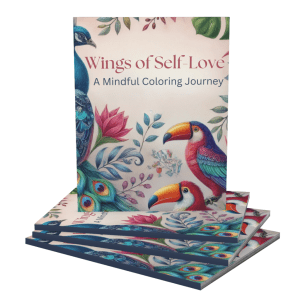
🎨 Or explore our ZenfulHabits Coloring Books on Amazon—each one blends calming imagery, healing affirmations, and journaling prompts to help you reconnect and restore.
👉 Shop Now
Continue your journey with more powerful reads from our collection:
- Soul‑Led Love: Building Connections Without Ego Attachments
- The Art of Acceptance: Embracing People Where They Are
- Love Without Judgment: Insights from A Course in Miracles
- Breathwork for Self-Compassion: A Mindful Practice for Loving Yourself and Others
- How Practicing Gratitude Deepens Your Ability to Love and Accept



Leave a Reply