
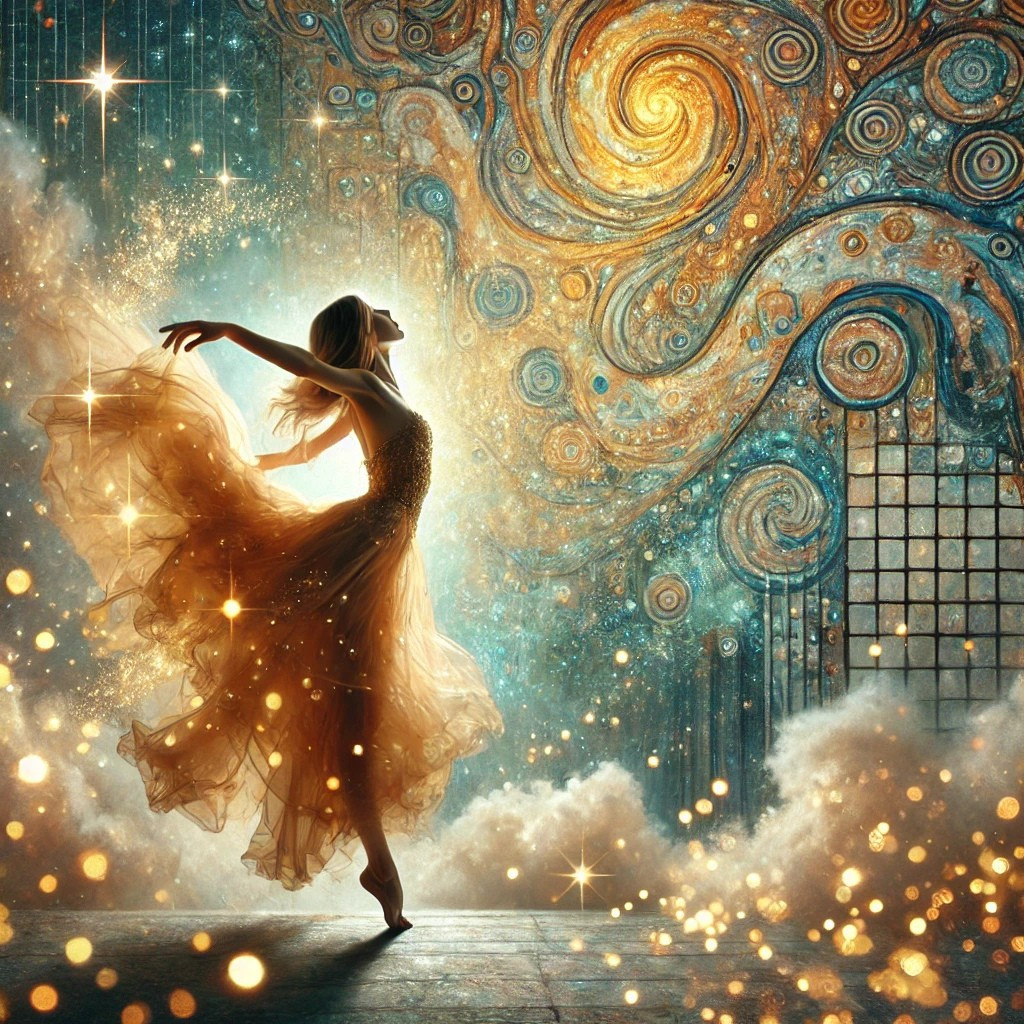
Anxiety can feel overwhelming, affecting both the mind and body. But what if movement could help you break free from the cycle of anxious thoughts?
Dance Movement Therapy (DMT) is an evidence-based approach that uses movement and body awareness to improve emotional and psychological well-being. In this article, we’ll explore the science, benefits, research, and practical ways DMT helps manage anxiety.
What Is Dance Movement Therapy (DMT)?
Dance Movement Therapy (DMT) is a psychotherapeutic approach that integrates movement, emotional expression, and body awareness to improve mental health. Developed in the 1940s, DMT is now widely recognized by organizations like the American Dance Therapy Association (ADTA) as a valuable treatment for emotional and psychological well-being.
Key Components of DMT:
✔ Movement as Communication – Expresses emotions that may be difficult to verbalize.
✔ Mind-Body Connection – Enhances self-awareness and emotional regulation.
✔ Therapeutic Relationship – Facilitated by a trained therapist to guide the process.
✔ Creative Expression – Uses dance and movement to process emotions and release tension.
| Science | Research | Benefits |
|---|---|---|
| DMT activates the brain’s reward centers, stimulating the release of endorphins and neurotransmitters that enhance mood and alleviate anxiety3. | A 2019 meta-analysis of 41 clinical trials showed a medium overall effect size (d = 0.60) for psychological health improvements through DMT3. | DMT decreases anxiety levels, with a post-value comparison of standard mean differences (SMD) of 0.44 (CI = 0.15–0.72)4. |
| DMT engages the mind-body connection, showing that physical activity can positively influence mental states3. | A comprehensive review in 2019 concluded that DMT helped reduce anxiety and depression while enhancing interpersonal skills8. | 98% of dancers reported improved mood after practicing conscious dance7. |
| DMT stimulates the vagus nerve through deep diaphragmatic breathing, activating the body’s relaxation response9. | A study published in 2021 found that conscious dance produced mental health benefits for the vast majority of participants with anxiety or history of trauma7. | DMT increases quality of life and improves interpersonal and cognitive skills4. |
DMT works by integrating physical movement with psychological processes, allowing individuals to express emotions non-verbally and release pent-up feelings3. This approach helps regulate cortisol levels, contributing to stress reduction3. The practice of DMT provides a safe environment for emotional exploration and promotes self-awareness, ultimately leading to improved anxiety management and overall well-being139.
How Dance Movement Therapy Helps with Anxiety (The Science Behind It)
Anxiety affects the body physically, emotionally, and mentally. DMT works by addressing these interconnected aspects:
1. Regulating the Nervous System
Anxiety activates the sympathetic nervous system (fight-or-flight response). DMT helps calm the nervous system by:
- Encouraging slow, intentional movement, reducing physical tension.
- Activating the parasympathetic nervous system (rest-and-digest mode).
- Releasing endorphins that naturally improve mood.
???? A study published in the Frontiers in Psychology found that movement-based interventions significantly reduced stress and anxiety by shifting the nervous system into a relaxed state.
2. Reducing Muscle Tension & Physical Symptoms of Anxiety
Anxiety often manifests physically through:
???? Muscle tightness
???? Shallow breathing
???? Increased heart rate
DMT incorporates gentle, rhythmic movements, helping release muscular tension and encourage deep breathing, which naturally reduces stress.
???? A 2021 study in the Journal of Bodywork and Movement Therapies confirmed that guided movement therapy effectively lowers physical symptoms of anxiety.
3. Processing Emotions & Trauma Stored in the Body
The body holds onto trauma and suppressed emotions. Through movement, DMT allows individuals to:
- Express feelings non-verbally
- Release stored tension and past trauma
- Reconnect with their bodies in a safe way
???? Research in Trauma Research Foundation shows that movement-based therapy can significantly reduce emotional distress and trauma-related anxiety.
4. Improving Self-Confidence & Emotional Regulation
People with anxiety often struggle with self-expression and confidence. DMT encourages:
✔ Creative movement, fostering self-acceptance.
✔ Mindful awareness, helping regulate emotions.
✔ Positive body image, reducing anxiety-related self-consciousness.
???? A clinical trial in The Arts in Psychotherapy Journal demonstrated that DMT significantly increased self-esteem and emotional regulation in people with generalized anxiety disorder.
The Benefits of Dance Movement Therapy for Anxiety
✔ Reduces Anxiety Symptoms – Helps decrease excessive worrying and physical tension.
✔ Enhances Emotional Expression – Encourages safe emotional processing through movement.
✔ Boosts Mindfulness & Presence – Grounds individuals in the present moment, reducing anxious thoughts.
✔ Promotes Relaxation – Activates the body’s natural relaxation response.
✔ Encourages Social Connection – Group DMT sessions provide community support.
???? The American Journal of Dance Therapy found that 87% of participants reported feeling calmer and more in control after DMT sessions.
How to Try Dance Movement Therapy for Anxiety
1️⃣ Find a Certified Dance Therapist
- Check the ADTA website for licensed practitioners.
2️⃣ Incorporate Movement at Home
- Try simple expressive movement exercises while listening to calming music.
- Engage in freeform dance or guided stretching to release tension.
3️⃣ Join a Dance Therapy Group
- Many therapists offer group sessions, fostering connection and support.
4️⃣ Practice Mindful Movement Daily
- Set aside 5-10 minutes daily to connect with your body through movement.
Frequently Asked Questions (FAQs)
1. Can I do Dance Movement Therapy if I have no dance experience?
✅ Absolutely! DMT isn’t about skill or technique—it’s about expression and healing.
2. How does DMT compare to traditional talk therapy?
???? DMT complements talk therapy but focuses on body-based emotional processing, which can be more effective for some individuals.
3. Can DMT be done alone or does it require a therapist?
????♀️ While guided sessions with a therapist are most effective, you can incorporate mindful movement practices at home.
4. How long does it take to see results from Dance Movement Therapy?
⌛ Many people feel immediate relaxation after sessions, but long-term benefits typically appear after 4-8 weeks of consistent practice.
5. Is there scientific evidence supporting Dance Movement Therapy for anxiety?
???? Yes! Multiple studies confirm that DMT reduces anxiety, improves emotional regulation, and enhances overall well-being.
Final Thoughts: Move Your Body, Calm Your Mind
Dance Movement Therapy offers a powerful, evidence-based way to manage anxiety by integrating movement, mindfulness, and self-expression. Whether you’re engaging in guided therapy or incorporating movement at home, the key is to embrace the connection between body and mind.
???? Take the Next Step: ✔ Find a certified DMT practitioner
✔ Try movement-based mindfulness
✔ Let go, move freely, and embrace healing
???? Want to see DMT in action? Watch this YouTube video on Dance Movement Therapy to get started!
For more ways to reduce anxiety, check out our additional articles on various methods:
- 6 Best Yoga Poses for Anxiety Relief: Science-Backed Benefits and How to Get Started
- Qi Gong for Anxiety and Energy: Science-Backed Benefits and How to Get Started
- Hiking for Anxiety Relief: Proven Benefits Backed by Science and Expert Tips to Get Started
- How Coloring Books Calm the Mind: Science-Backed Benefits for Stress and Mental Health
- Journaling for Anxiety Relief: Proven Science, Benefits, and How to Start Today
- How Forgiveness Heals Anxiety: The Science, Benefits, and Steps to Let Go
- Self-Compassion and Anxiety: The Science-Backed Path to Inner Calm and Resilience
- Narrative Therapy for Anxiety: How Rewriting Your Life Story Can Transform Your Mental Health
- The Ultimate Guide to Guided Meditations for Anxiety Relief: Science-Backed Benefits and How to Get Started
- How Gratitude Practices Reduce Anxiety: Science, Research, and Benefits



Leave a Reply