

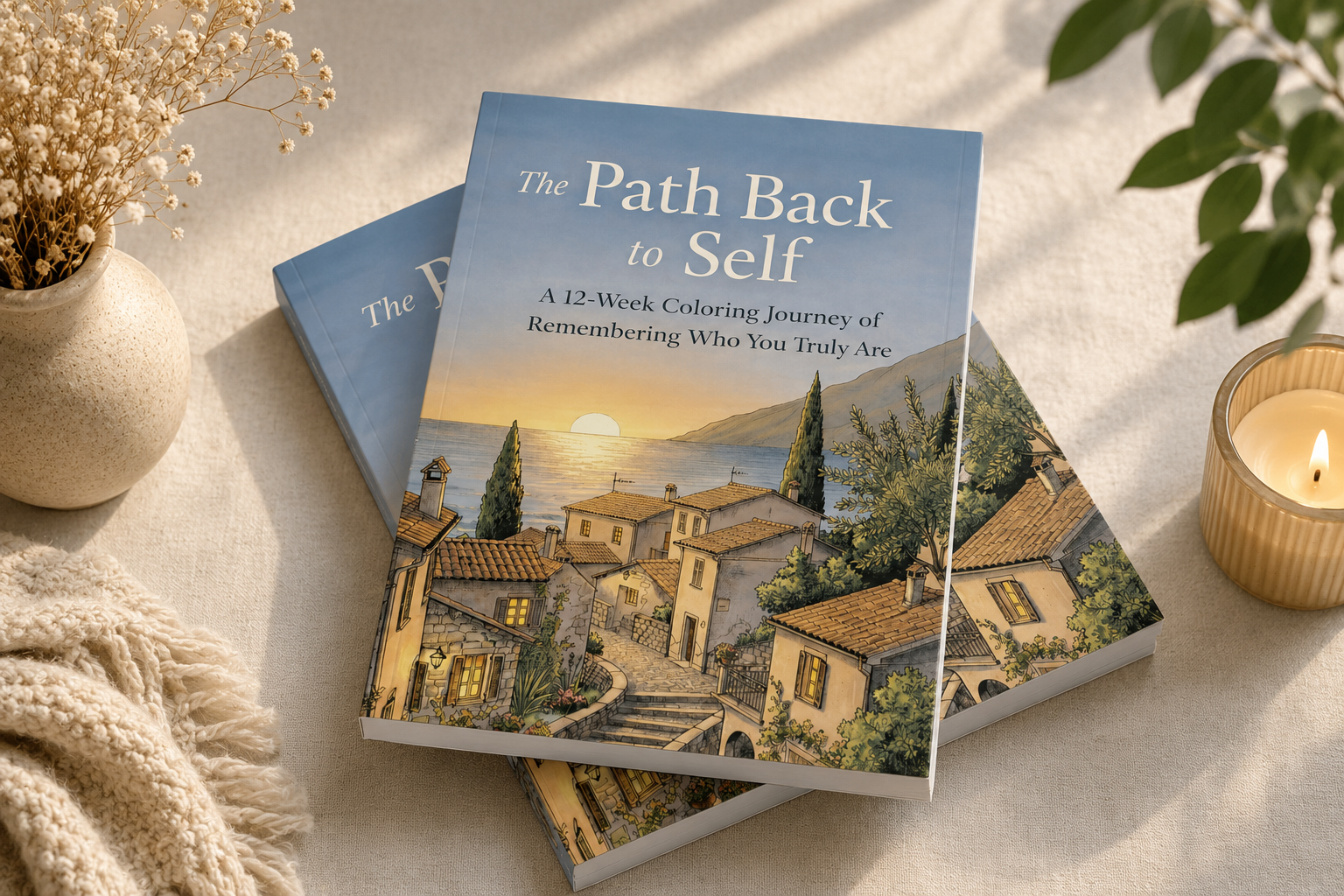
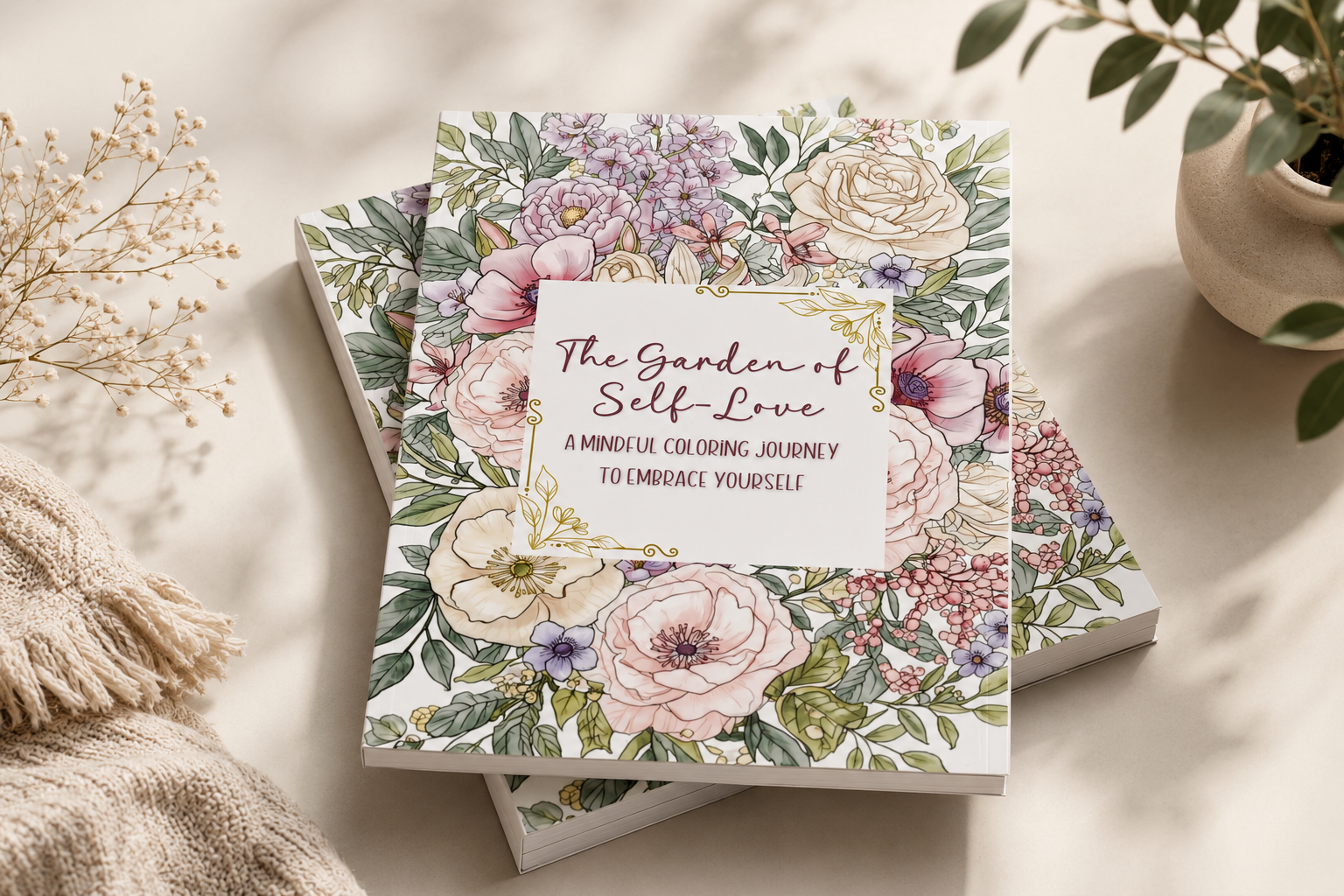
Color therapy for emotional healing is gaining attention as a simple yet powerful way to support mental wellness. Also known as chromotherapy, this practice uses color and light to influence mood, reduce stress, and help regulate the nervous system.
While it may seem gentle on the surface, research shows that color can directly affect brain chemistry, emotional responses, and even hormone levels. For individuals recovering from narcissistic abuse or emotional trauma, color therapy offers a safe and supportive way to begin reconnecting with a sense of calm and self.
What Is Color Therapy?
Color therapy is the intentional use of color to support emotional and physical well-being. Each color carries a specific wavelength of light, and these wavelengths interact with the body in measurable ways. (Source)
Studies suggest that color exposure can influence:
- Stress hormone levels like cortisol
- Mood-regulating chemicals such as serotonin
- Heart rate and blood pressure
- Cognitive performance and focus
As explored earlier, color therapy is especially helpful because it is non-invasive, accessible, and easy to incorporate into everyday life .
The Science Behind Color and Emotional Healing
Modern research supports the idea that color and environment play a role in emotional regulation. While chromotherapy is often considered complementary, its effects are rooted in neuroscience and environmental psychology.
Research has shown that exposure to natural green environments can lower cortisol levels and improve overall mental well-being. Studies published through the U.S. National Library of Medicine highlight how green space exposure is associated with reduced stress and improved emotional health. (Source)
Blue light exposure has also been linked to changes in stress response and circadian rhythm regulation. It can help the body return to a calmer state after stress, supporting emotional recovery.
In addition, broader research on color psychology shows that color can influence behavior, mood, and cognitive function, reinforcing its role in emotional healing. (Source)
How Different Colors Support Emotional Healing
Each color can support a different part of the healing process. When used intentionally, colors can help shift emotional states and support recovery.
Blue: Calm and Safety
Blue tones promote relaxation and clarity. They are known to reduce heart rate and create a sense of emotional safety, which is essential for calming an overstimulated nervous system.
Green: Balance and Restoration
Green is strongly associated with nature and healing. It helps reduce mental fatigue and restore emotional balance, making it ideal for grounding during stressful periods.
Yellow: Mood and Positivity
Yellow is linked to increased serotonin levels and improved mood. It can help lift emotional heaviness and encourage a more positive outlook.
Red: Energy and Motivation
Red is stimulating and energizing. It can help rebuild motivation, confidence, and a sense of forward movement after emotional exhaustion.
Purple: Reflection and Insight
Purple supports creativity and introspection. It can help individuals process emotions and gain deeper personal insight during healing.
Pink: Compassion and Self-Love
Pink promotes feelings of warmth, compassion, and emotional safety. It is especially helpful when working on self-love and emotional recovery.
Color Therapy and the Nervous System
Healing from narcissistic abuse often involves calming a dysregulated nervous system. Trauma can leave the body in a constant state of alertness, making it difficult to relax or feel safe.
Color therapy can help regulate the nervous system by:
- Encouraging relaxation through calming tones like blue and green
- Reducing anxiety with soft, cool colors
- Supporting better sleep through soothing visual environments
- Creating a sense of emotional safety through consistent exposure
These small shifts can help the body move out of survival mode and into a more balanced state.
The Role of Color Therapy in Trauma Recovery
Survivors of emotional abuse often experience:
- Anxiety and hypervigilance
- Emotional numbness
- Sleep disturbances
- Low self-worth
Color therapy offers a gentle way to support healing without overwhelming the nervous system.
For example:
- Blue and green tones can help reduce anxiety
- Soft pink environments can encourage emotional safety
- Yellow accents can introduce small moments of hope
Over time, these subtle changes can support long-term emotional recovery.
Simple Ways to Use Color Therapy Daily
You don’t need anything complicated to start. Small, consistent actions can make a meaningful difference.
Try incorporating color therapy through:
- Wearing calming or uplifting colors
- Adding color to your home through blankets, pillows, or artwork
- Spending time in nature (especially green spaces)
- Using coloring books or creative activities
- Visualizing calming colors during meditation
Consistency matters more than intensity. Even a few minutes a day can help shift your emotional state.
Why Coloring Enhances Color Therapy
Coloring is one of the most effective ways to practice color therapy because it combines multiple healing elements at once.
It helps by:
- Creating a calming, focused activity for the mind
- Allowing emotional expression without pressure
- Reinforcing positive thought patterns through affirmations
- Supporting neuroplasticity through repetition
This is why guided coloring books, especially those that include affirmations and journaling prompts, can create a deeper and more meaningful healing experience.
Combining Color Therapy with Other Healing Practices
Color therapy works best when used alongside other approaches. It is not meant to replace therapy but to support it.
You can combine it with:
- Cognitive Behavioral Therapy (CBT)
- Mindfulness and meditation
- Journaling and reflection
- Breathwork and nervous system regulation practices
This layered approach strengthens emotional healing and supports long-term change.
A Gentle Path Back to Yourself
Healing does not have to be overwhelming. It can begin with something simple.
Color therapy offers a quiet, supportive way to reconnect with yourself. It does not require you to explain your pain or force yourself to feel differently. It simply gives your body and mind space to soften.
And sometimes, that is where real healing begins.
Call to Action
If you’re looking for a gentle way to support your emotional healing, start with one small step today. Choose a color that feels calming or uplifting and bring it into your space.
Notice how it makes you feel.
And if you want a guided experience, explore tools that combine color, reflection, and mindfulness. Healing doesn’t have to be complicated. It can begin with something as simple as a color on a page.