
Mental Health
“Mental Health” focuses on nurturing your well-being through holistic, at-home approaches that empower you to support mental clarity, resilience, and balance. Here, you’ll find a variety of tools, practices, and insights to create a personalized path to wellness, emphasizing mindfulness, self-care, and healing routines that bring peace and restoration to your daily life. From grounding techniques to therapeutic exercises, these resources are designed to help you cultivate a healthier mind and soul in the comfort of your own space.
-
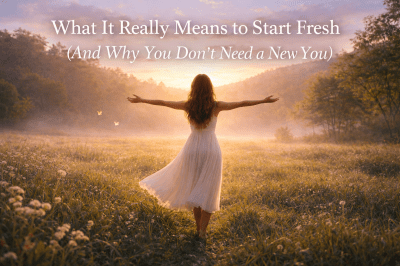
What It Really Means to Start Fresh (And Why You Don’t Need a New You)
Starting fresh is often framed as a dramatic reset — a new routine, new goals, or even a “new you.” But psychology tells a different story. True fresh starts don’t come from rejecting who you are. They come from self-acceptance, perspective shifts, and intentional growth. Science shows that sustainable change happens not when people try…
-

The Psychology of Letting Go: Why Release Is the First Step to Inner Peace
Letting go is often talked about as a personal choice or a spiritual idea, but psychology tells us something important: letting go is a mental skill. It is not about forgetting the past or pretending pain didn’t happen. It is about learning how to release emotional weight so it no longer controls your thoughts, reactions,…
-

How to Let Go of Last Year Without Carrying Emotional Baggage Into the New Year
Letting go of the past is one of the most powerful emotional skills we can develop — and one of the most misunderstood. As a new year begins, many people promise themselves a “fresh start,” yet quietly carry unresolved emotions from the year before. Regret, grief, resentment, disappointment, or self-blame can follow us into the…
-

Why Kindness Is Contagious: The Neuroscience Behind Why Giving Makes Us Happier
Kindness has a way of spreading. You see someone hold the door open, and you feel a small lift inside. You witness an act of generosity, and suddenly you feel more patient, more open, more willing to help. This is not coincidence.It is biology. Neuroscience shows that kindness is contagious because the human brain is…
-
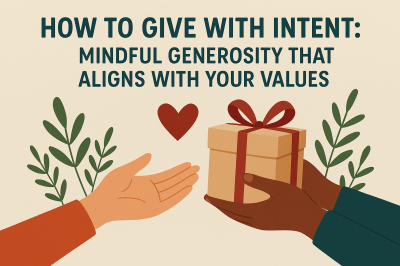
How to Give With Intent: Mindful Generosity That Aligns With Your Values
Giving is often encouraged as something we should do. Give your time.Give your money.Give more of yourself. However, when generosity is driven by guilt, pressure, or habit, it can leave people feeling drained instead of fulfilled. Over time, this kind of giving leads to burnout, resentment, and emotional exhaustion. Mindful generosity is different. Giving with…
-

The Gift of Presence: Replacing Holiday Pressure with Heartfelt Connection
The holidays are meant to bring people together.Yet for many, they bring stress, exhaustion, and emotional overload. There are gifts to buy, schedules to juggle, traditions to uphold, and expectations—spoken and unspoken—to meet. Instead of feeling connected, many people feel rushed, tense, or emotionally distant during a season built around togetherness. What if the most…
-

A December Practice: How to End the Year with a Generous Heart and a Clear Mind
December often feels different from the rest of the year. The days are shorter. The pace slows. Many people naturally begin to look back and reflect. You may notice yourself thinking about what worked, what didn’t, and what still feels unresolved. At the same time, December invites generosity. Not just through gifts, but through patience,…
-
From Scarcity to Abundance: How Giving Rewires Your Mindset
Scarcity is not just about money. It is a mindset shaped by experience, stress, and learned beliefs. When people live in scarcity mode, they often feel there is never enough—time, energy, love, safety, or resources. This mindset keeps the brain focused on survival rather than possibility. Abundance, on the other hand, is not blind optimism.…
-

Generosity and Mental Health: What Studies Reveal About Happiness and Giving
Generosity is often described as a moral value or a personal choice. However, science tells a deeper story. Giving is not just good for others—it is deeply connected to mental health, emotional regulation, and long-term happiness. Across cultures and age groups, researchers have found a consistent pattern: people who practice generosity tend to experience greater…
-

The Science of Warmth: Why Sharing Kindness Boosts Serotonin and Connection
The holidays remind us of generosity, giving, and caring for others — but kindness isn’t just a “feel-good” concept. Science shows that simple acts of kindness create real changes in the brain and body. These changes affect your mood, stress levels, relationships, and even your long-term mental well-being. And the best part?Kindness doesn’t just help…