
Mental Health
“Mental Health” focuses on nurturing your well-being through holistic, at-home approaches that empower you to support mental clarity, resilience, and balance. Here, you’ll find a variety of tools, practices, and insights to create a personalized path to wellness, emphasizing mindfulness, self-care, and healing routines that bring peace and restoration to your daily life. From grounding techniques to therapeutic exercises, these resources are designed to help you cultivate a healthier mind and soul in the comfort of your own space.
-

Writing Self-Love Letters: Rebuilding Self Esteem
Discover the power of self-love letters to boost your self-esteem. They’re personal notes of support, encouragement, and recognition, offering a way to acknowledge your worth, struggles, and successes. A simple and sincere practice that can serve as a regular reminder of your amazing self…
-

Mirror Reflection Impact on Mental Well-Being
Mirrors are more than just reflective surfaces. They hold the power to shape our self-esteem and self-perception. By engaging in mirror gazing with positive affirmations and consistent mirror work, we can reframe negative thoughts and cultivate a more positive body image. Discover the impact of mirror reflection on mental well-being in this article…
-

Enhanced Memory & Creativity: Doodling in Journaling for Cognitive Potential
Doodling isn’t just a way to pass the time; it can be a powerful tool to enhance your memory and spark your creativity. Research suggests that doodling can improve memory recall by up to 29% and reduce stress. Incorporating doodling into journaling creates a powerful tool for cognitive development…
-
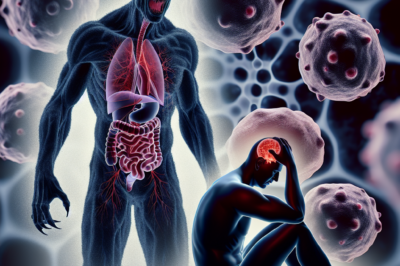
Understanding the Link Between Narcissistic Abuse and Autoimmune Disorders
Narcissistic abuse is insidious, often hidden beneath a charming facade. It can lead to chronic stress, which studies show can trigger or worsen autoimmune disorders. Recognizing the signs is crucial for seeking help. Recovery involves therapy, self-care, and a supportive environment for both emotional and physical healing…
-

Cognitive-Behavioral Therapy (CBT) & Eye Movement Desensitization and Reprocessing (EMDR) Synergy
Understanding the power of CBT and EMDR, two essential tools in the mental health toolbox. Learn how their synergy can enhance treatment, find the right therapist, and discover real-life success stories. Uncover the answers to common questions about these therapies and take the first step toward improved mental health today…
-

Narrative Therapy for Narcissistic Abuse Healing
Narrative therapy empowers individuals to separate from their problems and reauthor their stories, reclaiming their power and identity. By identifying story themes and rescripting victimized self-images, individuals can address narcissistic abuse without self-blame. It’s about finding your voice, becoming the main character in your story, and rewriting your narrative…
-

Narcissistic Abuse Recovery: Improved Sleep Quality through Lesser-Known Tips and Practices
Sleep is crucial for recovery from narcissistic abuse. Stress and anxiety disrupt sleep patterns. Recognizing the impact on your sleep is the first step. Insomnia and disturbed sleep are common signs. Understanding the disruption caused by trauma is vital to reclaiming peaceful nights…
-

Healing Symbolism: How Symbols Aid in Narcissistic Abuse Recovery
Embarking on a journey to heal from narcissistic abuse is like navigating a labyrinth; it’s a path that twists and turns, with obstacles and revelations at every corner. But within this journey lies the potential for profound transformation. Symbols, rich with meaning and personal significance, can be powerful allies in your recovery…
-

Emotional Balance: Acupressure/Acupuncture for Healing after Narcissistic Abuse
When you’ve endured the storm of a relationship marred by narcissistic abuse, finding your way back to calm can seem like a distant dream. But there’s a gentle, time-honored approach that might just be your beacon of hope: acupressure and acupuncture. These ancient practices are more than just physical therapies; they’re about nurturing your emotional…
-

Soothing Mantra Meditation Practices for Healing After Narcissistic Abuse
Mantra meditation is a powerful tool for healing after narcissistic abuse. By repeating soothing phrases, it offers a path to calmness and clarity. It’s a way to make sense of the turmoil and rebuild self-esteem. Think of your mantra as a friend whispering words of encouragement when you need them the most…