
Ever feel like the world is spinning too fast—and you just need a pause button?
What if three minutes could reset your nervous system, calm your mind, and ground your body?
This simple, science-backed guided visualization is designed to do exactly that. Used by therapists, mindfulness coaches, and wellness practitioners, it can shift you from overwhelm to peace—quickly and gently.
Whether you’re anxious, emotionally tense, or just need a reset… this is your moment to breathe.
🧠 The Science of Guided Visualization: Why It Works
Visualization is more than daydreaming—it’s a powerful neurological tool proven to influence emotional regulation and resilience. Here’s how:
- Activates the parasympathetic nervous system: Guided imagery helps trigger your body’s natural “calm mode.” Studies show lowered cortisol levels and slowed heart rate, which reduce anxiety and tension [PubMed].
- Rewires neural pathways (neuroplasticity): Research indicates that visualization strengthens positive mental patterns and improves resilience over time [PubMed].
- Improves cognitive function in minutes: Even short guided meditations have been shown to boost working memory and decision-making [NIH].
- Enhances creativity and problem-solving: Imagining positive scenarios engages brain regions tied to planning and motivation [BetterHelp].
- Anchors you in the present moment: Mindfulness-based guided imagery reduces rumination and overthinking [ScienceDirect].
✨ Why just 3 minutes matters:
Your brain doesn’t always distinguish between real and imagined experiences. This means that even a brief visualization can shift your mood, soothe your nervous system, and reset emotional balance. A 2022 study published on ResearchGate found that 3-minute visualizations helped healthcare workers lower compassion fatigue and increase resilience.
🧘♀️ 3-Minute Guided Visualization to Feel Held, Grounded & Free
This quick practice helps your nervous system transition from fight-or-flight into rest-and-reset.
🌬️ Step-by-Step Instructions
1. Get Comfortable
Find a quiet spot to sit or lie down. Close your eyes softly. Inhale through your nose, exhale through your mouth—repeat 2–3 times.
2. Feel Held
Imagine a warm, safe embrace—this could be from a loved one, a pet, or even the Earth itself. Let yourself feel wrapped in unconditional safety. Breathe into that warmth.
3. Feel Grounded
Picture roots extending from your body into the Earth, steady and unshakable. With each breath, feel yourself anchored and supported.
4. Feel Free
Visualize an open space—a wide field, endless sky, or vast ocean. See yourself moving with ease: dancing, running, flying. Release any emotional heaviness and let it dissolve into lightness.
5. Gently Return
Wiggle your fingers and toes. Take one last deep breath. Slowly open your eyes, noticing how your body feels—lighter, calmer, more centered.
💡 Why This Visualization Works
✔️ Instantly calms the nervous system
✔️ Releases physical tension and racing thoughts
✔️ Encourages emotional release without judgment
✔️ Sharpens inner awareness and mindfulness
✔️ Builds self-trust and emotional resilience over time
🕒 When to Use This 3-Minute Reset
This practice is most powerful when used consistently. Try it:
✅ Morning: to set a grounded, intentional tone for your day
✅ Work breaks: to refocus and reset between tasks
✅ Before bed: to relax the body and prepare for deep sleep
✅ Moments of overwhelm: as a quick self-soothing tool
📱 Pro Tip: Set a daily reminder on your phone: “Pause. Visualize. Breathe.”
🧠 Frequently Asked Questions (FAQs)
1. I can’t “see” the imagery clearly—does it still work?
Yes. Visualization is less about perfect pictures and more about feeling, textures, sounds, or emotions. Trust your unique experience.
2. Can this replace therapy or longer meditation?
No. Think of it as a supportive mini-reset. It complements therapy, yoga, and longer meditation beautifully.
3. When will I notice results?
Many people feel immediate calm within the first session. Long-term benefits build with repetition.
4. What if I get distracted?
Distractions are normal. Each time your mind wanders, gently guide it back to your breath or the next step.
5. Can kids or teens practice this?
Absolutely. This technique is wonderful for children, especially during bedtime routines or after school.
🌿 Final Thoughts
Taking three minutes for yourself isn’t selfish—it’s essential. Visualization gives your nervous system the signal that you are safe, supported, and free.
Pair this practice with other mindful tools, like journaling or coloring, to deepen your healing journey.
✨ Ready to take the next step?
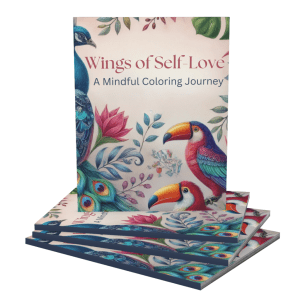
Explore ZenfulHabits Coloring Books—crafted to help you release stress, nurture mindfulness, and rediscover joy through creativity.



Leave a Reply